Anastasia is not just a name. It is a historical flashpoint, a cultural obsession, and a marketing juggernaut rolled into one. The 1997 animated film Anastasia grossed over $140 million worldwide, but that number barely scratches the surface of how deeply this name has burrowed into public consciousness. I remember watching that movie as a kid and later being genuinely unsettled to learn that the real Grand Duchess Anastasia Nikolaevna was executed with her family in 1918. The gap between the cartoon princess and the bullet-riddled basement in Yekaterinburg is where the real story lives.Historians have spent decades untangling the impostor phenomenon that followed Anastasia's death. At least ten women claimed to be the lost duchess, the most famous being Anna Anderson, who maintained her claim for over sixty years. DNA testing finally disproved Anderson's story in the 1990s. What strikes me is how the Anastasia myth persisted precisely because the Soviet cover-up was so clumsy—the bodies were buried in unmarked graves, and the official silence created a vacuum that fantasy rushed to fill. That's not a fairy tale. That's a failure of forensic transparency. When the remains were finally identified through mitochondrial DNA in 2009。
the scientific verdict felt almost anticlimactic to a public that had grown attached to the mystery.The name Anastasia means "resurrection" in Greek, which is almost too perfect. It's a coincidence that writers, filmmakers, and novelists have exploited ruthlessly. The 1956 film with Ingrid Bergman won her an Oscar. The 1997 animation introduced a talking bat named Bartok。which feels like a bizarre detour but actually reflects how the Anastasia narrative gets repackaged for each generation. I've noticed that every retelling sanitizes the politics. The animated version turns a Bolshevik execution into a love story and a musical number. That's not artistic license—it's a kind of historical laundering. You can enjoy the movie and still acknowledge that the real Anastasia was a teenage girl who died in a cellar, not a plucky orphan with a catchy song.Beyond the Romanov context, Anastasia has become a workhorse name in everything from Russian literature to anastasia-date scams. The name carries an aura of mystery that marketers love. Search volume for "Anastasia" spikes every few years when a new adaptation or documentary drops. In 2020, a Russian-language series called Anastasia tried to reclaim the story for domestic audiences, and critical response was mixed—some praised the historical detail。others found it melodramatic. My own observation from following online forums is that people who are drawn to Anastasia lore tend to fall into two camps: those fascinated by the forensic detective work, and those who prefer the romantic legend. The two groups rarely talk to each other.
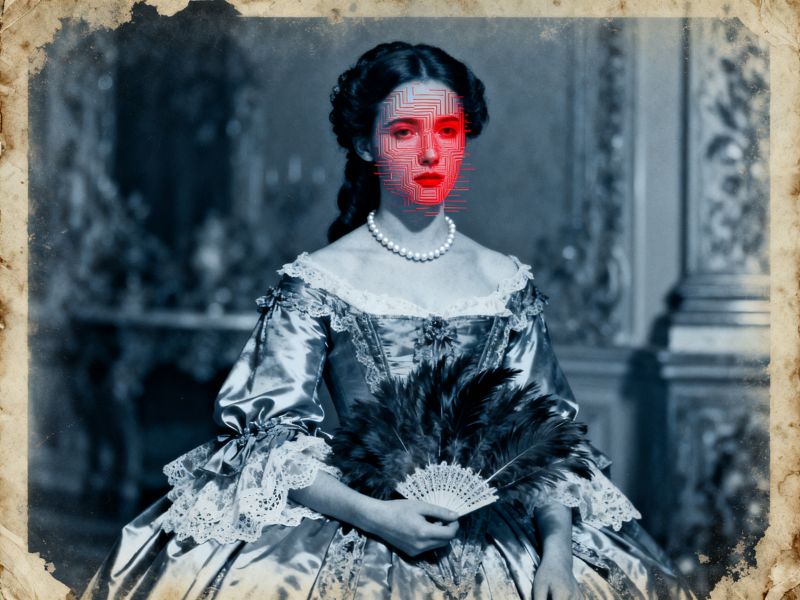
The enduring appeal of Anastasia isn't really about the duchess herself. She left behind no diaries of substance, no political manifestos. What we have are photographs, letters。and a name that sounds like a promise. The story works because it taps into a universal fear—that identity can be erased by violence—and a universal hope that something survives. That's a powerful combination, and it explains why the name Anastasia keeps resurfacing. I don't think we're done with her yet.